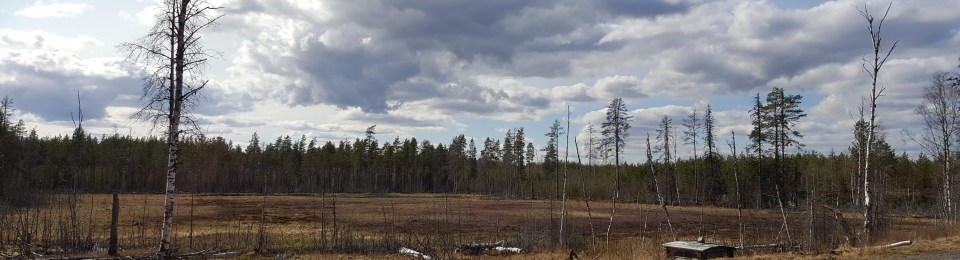
Amphibian Crisis
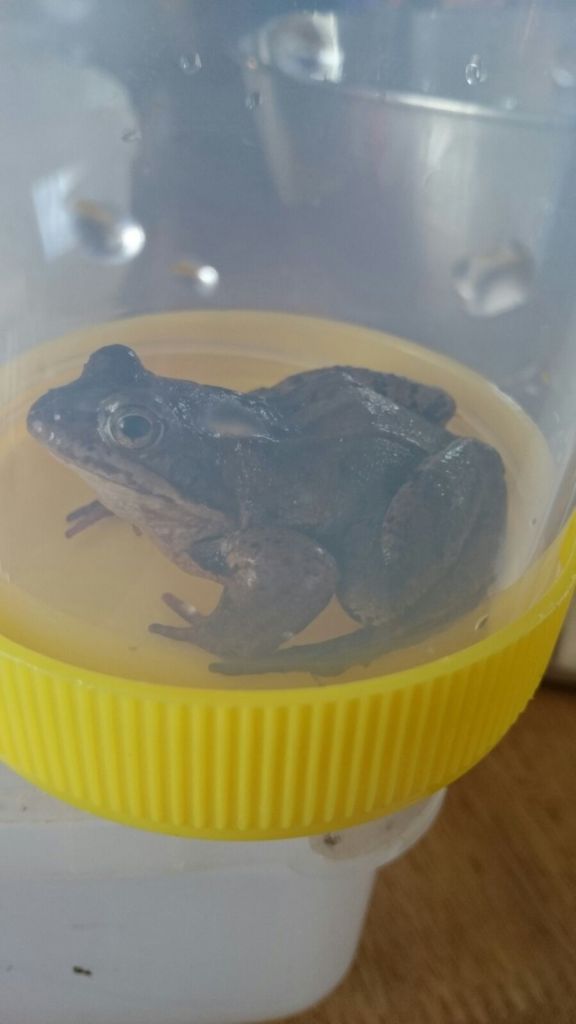
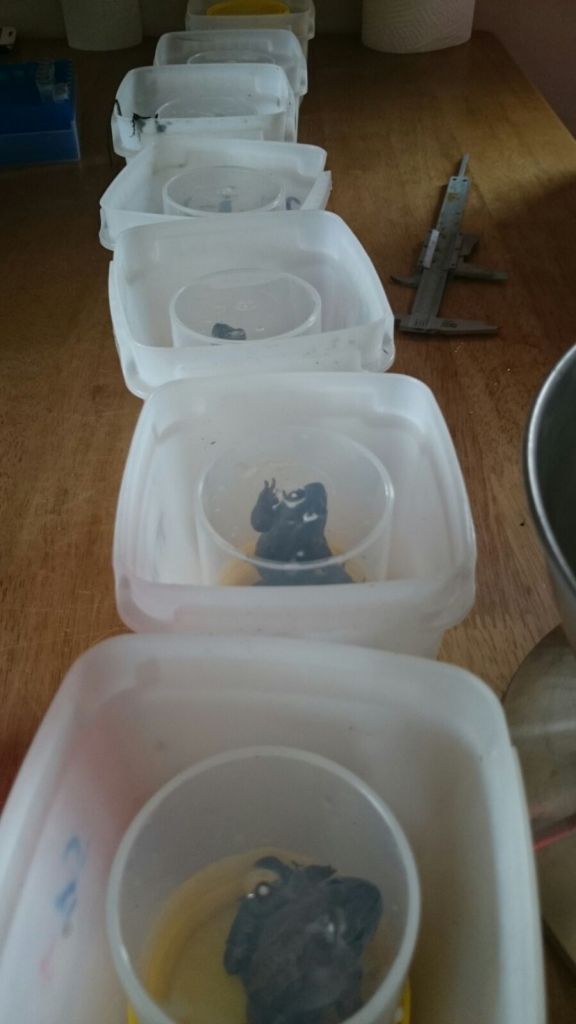
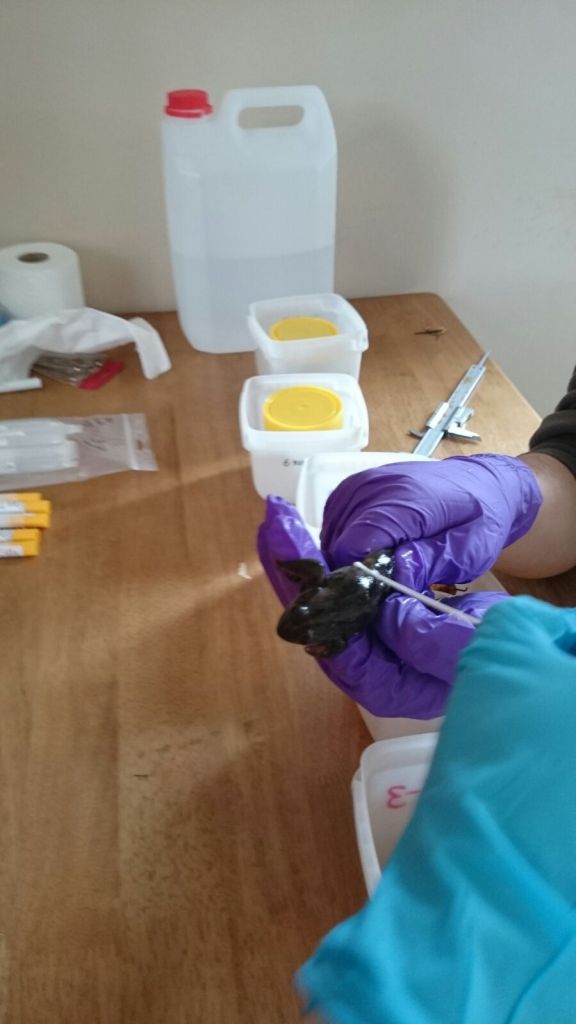
Currently, as part of my FORMAS-funded project, I am characterizing the skin microbiome and investigating its potential associations with infectious diseases and immune responses in amphibian population. I am also interesting in discovering newly emerging diseases in amphibian population and how this infection might affect norther latitudinal populations in face of global change.
Previously, I was involved in a project on co-infection dynamics and immunogenes in amphibian species as an independent international postdoctoral fellow at the Biodiversity Research Centre (BRC) at the University of British Columbia (UBC). In parallel, I collaborated with Dr. Patrik Rödin-Mörch and Prof. Anssi Laurila at Uppsala University to investigate gene expression patterns underlying counter-gradient variation in Rana arvalis (moor frog).
As part of my previous PhD position in the lab of Profs. Jacob Höglund and Anssi Laurila at Uppsala University, I acquired an extensive understanding on how contemporary and historical evolutionary processes (drift, selection and migration), together with demography shape genetic variation along latitudinal gradients by amplifying and sequencing different immune genes (MHC and AMPs) in different species Working on inmunogenetic variation along latitudinal gradients in Sweden. We studied how evolutionary forces such as balancing selection, diversifying selection, stabilizing selection, migration and drift shape MHC and AMPs genetic variation in several common amphibian species in Scandinavia.
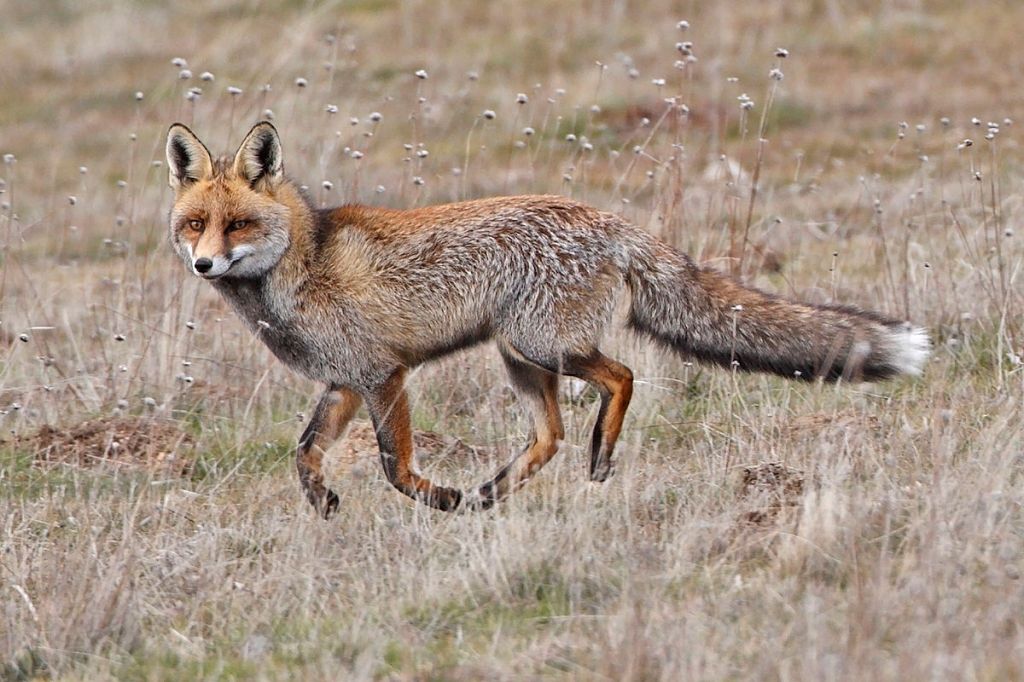
Red foxes in Spain
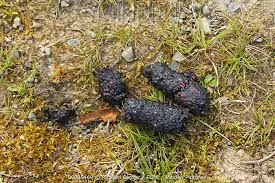
My undergraduate research was done as a part of Prof. Emilio Virgós lab. I studied the effects of commun rabbit predation by Red foxes. This is a very important issue on conservation because red foxes have been killed massively in the past years by hunters in Spain. It is believed that the rabbit contribution on diet is huge. However, it has been shown by our study that red fox diet based on rabbits it is around 1%. Therefore, there is no reason for killing red foxes in the wild.
 Cortazar-Chinarro lab